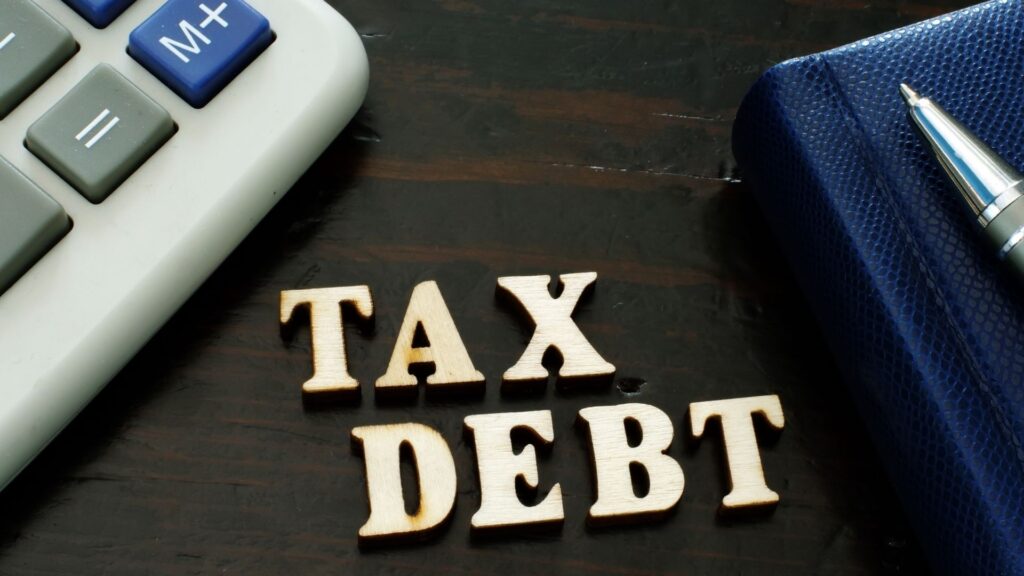
Dealing with tax debt can feel overwhelming, especially when money is already tight. But ignoring the problem won’t make it go away, in fact, it often makes things worse.
The Australian Taxation Office (ATO) has shifted back into a firm stance on debt collection, after showing leniency during the COVID years. Today, they’re using advanced tools, stricter reporting measures, and tougher penalties to collect outstanding debts.
If you’re worried about managing tax debt in Australia, the good news is you still have options. By understanding what’s changed in 2025, knowing what the ATO is focusing on, and taking early action, you can reduce stress and protect your financial future.
What’s Changed in 2025?
During the pandemic, the ATO took a softer approach. Payment plans were easier to arrange, interest was sometimes waived, and overdue debts weren’t pursued as aggressively. But that chapter has officially closed.
From 1 July 2025, several key changes have come into effect in Australia:
- Interest deductions scrapped: You can no longer claim interest charges on overdue tax debt as a tax deduction under Australian tax law.
- Tighter compliance monitoring: PAYG withholding, GST fraud, and unpaid superannuation contributions are now under much closer scrutiny.
- AI and data-matching tools: The ATO is using advanced technology to spot inconsistencies in tax returns and business reporting. Even something like not lodging your return on time could trigger an audit or enforcement action.
- Normal debt recovery resumed: Interest is now applied immediately on missed payments, and outstanding debts are actively chased up.
In short, the ATO is no longer giving taxpayers breathing space, they want debts resolved promptly.
What is the ATO Focusing On?
The ATO’s priority in 2025 is reducing the backlog of unpaid taxes. To do that, they’ve stepped up enforcement in several key areas:
- Large debts flagged to credit bureaus: If you owe over $100,000, the ATO may report this to Australian credit reporting agencies such as Equifax and Illion. That could make it harder for you to secure loans, refinance, or access affordable credit.
- Director Penalty Notices (DPNs): These are being issued more frequently. If you’re a company director and receive a DPN, you only have 21 days to act. If you don’t, you could become personally liable for your company’s unpaid GST, PAYG withholding, or superannuation contributions.
- Garnishee notices: The ATO has increased the use of garnishee orders, which allow them to take money directly from your Australian bank account or from a third party that owes you money.
- Old debts no longer ignored: Historical debts that were previously on hold are now back on the radar. Even if you thought an old debt had gone quiet, it may now be actively pursued.
This stronger approach highlights why managing tax debt in Australia requires swift, proactive steps.
What to Do if You Owe Tax But Can’t Pay
Not everyone can pay their tax bill in full and the ATO understands that. What they don’t accept anymore, however, is silence. Ignoring the problem can lead to legal action, garnishee orders, or damage to your credit rating.
Here’s what you should do if you owe the ATO but can’t pay:
- Lodge your returns: Even if you can’t pay right now, lodging your Australian tax return shows you’re doing your best to comply. It also helps you keep options open with the ATO.
Engage early: If you get a letter or notice from the ATO, don’t ignore it. Respond promptly. Lack of communication could escalate the matter, leading to a DPN or garnishee action. - Request a payment plan: The ATO allows smaller, regular instalments if you can’t pay the full amount immediately. Setting up a plan shows goodwill and prevents harsher penalties.
- Understand director risks: If you’re a company director in Australia, keep an eye out for DPNs. Remember, you have just 21 days to act before becoming personally liable.
- Explore restructuring options: For struggling Australian businesses, solutions such as small business restructuring or voluntary administration could help manage debts with the support of creditors. The earlier you act, the more choices you’ll have.
Taking these steps doesn’t just reduce penalties, it gives you peace of mind knowing you’re staying ahead of the problem.
Where to Go for Help
No one has to manage tax debt alone. There are resources and professionals in Australia who can step in to help you take control:
- ATO online services: You can check your debt balance, lodge outstanding returns, and apply for payment plans through the official ATO portal.
- Free financial counselling: The Australian Government funds National Debt Helpline (1800 007 007), offering free financial counselling for individuals and small businesses.
- Accountants and tax advisers: An Australian tax accountant can review your situation, suggest strategies, and even liaise with the ATO on your behalf.
Restructuring experts: Licensed insolvency and restructuring professionals in Australia can provide tailored advice to protect directors and manage liabilities.
And remember, at Finance Hub & Networks, we can work with you to explore funding options, refinancing strategies, or repayment solutions to help manage tax debt in Australia.
Final Thoughts
The ATO has made its position clear: tax debts won’t be ignored in 2025. With new rules in place and stricter enforcement, delaying action could put your credit, your business, and even your personal finances at risk.
If you owe the ATO, the most important step you can take is to act quickly. Lodge your returns, communicate openly, and explore your options before things escalate.
And if you’re unsure what path to take, professional advice can make all the difference. At Finance Hub & Networks, we can help assess your situation, explain your options, and guide you through the process of managing tax debt in Australia.