Australia’s Building Approvals Freefall: What It Means for Home Buyers and Borrowers in 2026
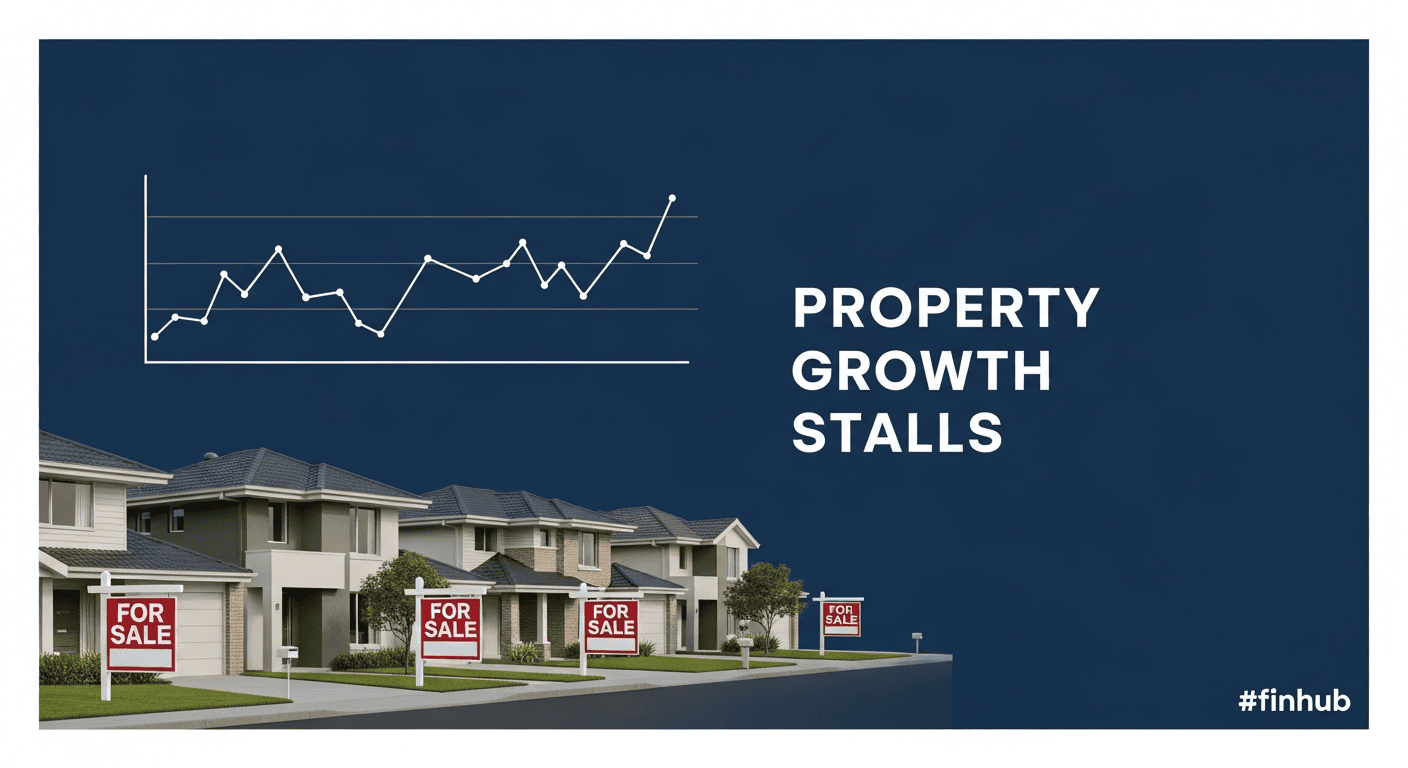
Australia’s housing supply crisis just got a lot worse. New data from the Australian Bureau of Statistics (ABS) reveals that total dwelling approvals fell by 7.2% in January 2026 — following a steep 14.9% decline in December 2025. On an annual basis, building approvals are now down 16% year-over-year, and apartment approvals have collapsed by a staggering 44.2% compared to the same time last year. For Australian borrowers and aspiring home buyers, this trend has serious implications for property prices, competition, and when you should be acting on your home loan plans.
What the Numbers Really Mean
January’s ABS data recorded only 14,564 dwelling approvals nationally, a number well below what’s needed to address Australia’s housing shortage. Much of the decline was driven by a 24.5% drop in private dwellings excluding houses — apartments, units, and townhouses — a segment already under severe pressure from rising construction costs and interest rate uncertainty.
ANZ economist Madeline Dunk noted that “expectations around possible further tightening from the Reserve Bank of Australia are likely to keep building approvals suppressed.” With the RBA’s rate decisions continuing to weigh on developer confidence, the pipeline of new homes entering the market is shrinking — just as demand remains strong.
The Government’s Housing Target Is Under Threat
Prime Minister Anthony Albanese set an ambitious target to deliver 1.2 million new homes nationwide by 2029 under the National Housing Accord. That goal now looks increasingly out of reach. Independent economist Saul Eslake stated: “I think it will be a tall order to achieve that target by 2029.”
States facing the steepest declines include Victoria (-11%), South Australia (-9.3%), Queensland (-6%), and New South Wales (-5.1%). Only Tasmania and Western Australia bucked the trend, with approvals rising 14.1% and 13.7% respectively.
What This Means for Property Prices in 2026
Less supply combined with sustained demand is a straightforward recipe for higher property prices. KPMG forecasts national house values to rise by 7.7% in 2026, with unit prices expected to increase by 7.1%. For aspiring buyers, the message is clear: waiting may cost you more.
What Should Borrowers Do Right Now?
- Review your borrowing capacity now — know exactly what you can afford before prices rise further.
- Consider your loan structure — speak to a broker about whether a fixed, variable, or split loan suits your needs.
- Get pre-approval in place — pre-approved buyers move faster and are taken more seriously by sellers.
- Explore refinancing — rising property values may have increased your equity, opening up new options.
Need personalised assistance?
Contact Daniel Nguyen, Mortgage Broker at Finance Hub and Networks.
📞 0430 11 11 88
Credit Representative 573164 is authorised under Australian Credit Licence 573164. Your full financial situation would need to be reviewed prior to acceptance of any offer or product. Subject to lenders credit criteria, fees and charges will apply.