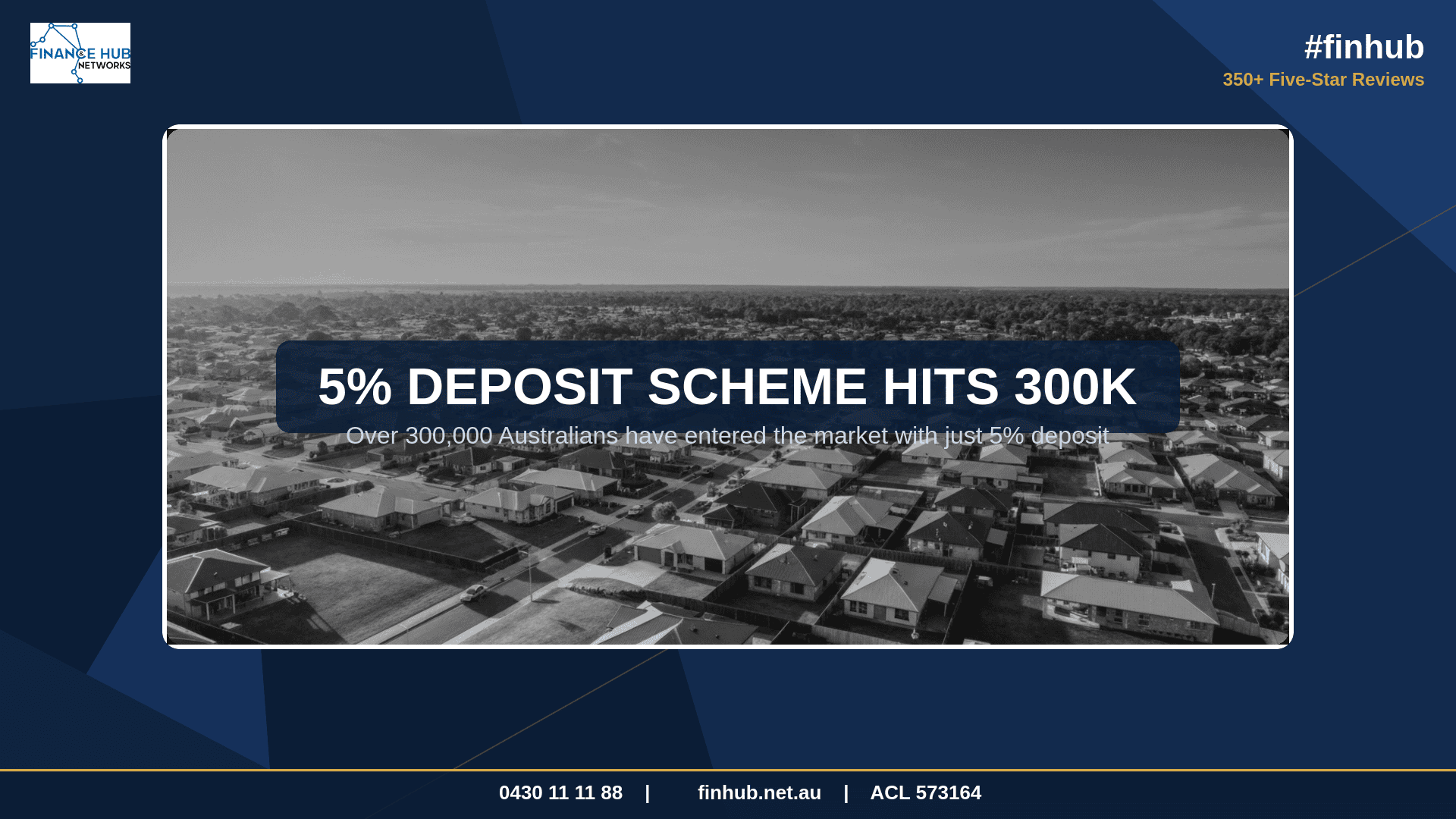

First Home Buyer Scheme Pushing Up Prices — What It Means for New Borrowers in 2026
Labor’s expanded 5% deposit guarantee scheme has helped thousands of Australians enter the property market — but new data reveals it may be driving up prices in the very segments first home buyers depend on, raising questions about long-term affordability and borrower vulnerability.
What’s Happening With First Home Buyer Prices?
Since the expanded first home buyer deposit guarantee scheme launched on 1 October 2025, prices for homes within the scheme’s eligibility caps have surged 6.7% in just six months — nearly double the national rate of growth over the same period, according to analysis by property data provider Cotality.
Meanwhile, homes outside the scheme’s price caps grew at just 3.6%, highlighting a widening gap between the affordable end of the market and the broader housing landscape. The divergence is most pronounced in Sydney, where competition from investors and other buyers at lower price points is fiercest.
A Demand-Side Boost Without a Supply-Side Solution
Tim Lawless, Cotality’s research director, described the scheme as “a pure demand-side stimulus that really should have been accompanied, at the very least, by a commensurate supply-side policy, which simply didn’t happen.” In other words, the scheme helped more buyers enter the market, but without more homes being built, competition intensified and prices rose accordingly.
First home buyer loan numbers jumped 6.7% in the December 2025 quarter after the scheme launched, while the value of first home buyer loans rose 15% in the same period — clear evidence of the scheme’s popularity and its impact on the lower end of the market.
Why New Borrowers May Be Vulnerable
The concern isn’t just about rising prices — it’s about what happens next. Many first home buyers entering through the scheme are carrying high loan-to-value ratios (LVRs), meaning they have minimal equity buffers. EY chief economist Cherelle Murphy notes that the share of major bank loans with LVRs above 95% increased from 2.38% to 3.38% in the last quarter of 2025.
With interest rates having risen and further increases anticipated, these borrowers face a challenging combination: elevated mortgage repayments, limited savings buffers, and a housing market that could soften. While default rates under the scheme remain extremely low (just 12 defaults out of 200,000 guarantees issued since 2020), the risk environment is shifting.
It’s important to understand that every borrower’s situation is different. Those with stable employment and manageable expenses may weather rate rises comfortably, while others — particularly those without family financial support — could find repayments increasingly tight.
What Does This Mean for Prospective Buyers?
For Australians considering their first home purchase, the current market presents both opportunities and risks that are worth carefully evaluating:
- Government schemes can help with upfront costs — but they don’t protect against future rate movements or price corrections. Understanding how potential rate changes could affect your repayments is an important step.
- Borrowing capacity isn’t the same as comfortable repayment capacity. Just because a lender may approve a certain amount doesn’t mean that repayment level suits your lifestyle and financial goals.
- Building a buffer matters. Even a modest savings buffer beyond your deposit can provide breathing room if circumstances change — whether it’s a rate increase, job change, or unexpected expense.
- Compare options across multiple lenders. Different lenders offer different features, rates, and flexibility. A mortgage broker can help you explore what’s available across 35+ lenders rather than approaching just one bank.
The Bigger Picture: Affordability Isn’t Improving
Beyond the first home buyer segment, broader affordability pressures persist. Construction costs continue to rise due to labour shortages and supply chain disruptions, limiting new housing supply. Population growth continues to add demand. And while Sydney and Melbourne prices have softened recently (down 2% and 6% respectively in Q1 2026), the affordable end of the market remains resilient — which means entry-level buyers aren’t seeing relief.
This structural mismatch between housing supply and demand is unlikely to resolve quickly, regardless of rate movements. It’s a complex landscape that benefits from professional guidance tailored to your individual circumstances.
Frequently Asked Questions
What is the first home buyer 5% deposit guarantee scheme?
The scheme, administered by Housing Australia, allows eligible first home buyers to purchase a property with just a 5% deposit, with the federal government guaranteeing the remaining portion up to 20%. This means buyers can avoid paying Lenders Mortgage Insurance (LMI). The expanded version launched on 1 October 2025 removed the annual cap on the number of places available.
Is the first home buyer scheme causing house prices to rise?
Data from Cotality shows that homes within the scheme’s price caps have grown 6.7% since the scheme expanded — roughly double the growth rate of homes outside those caps. While the scheme isn’t the sole driver, analysts suggest it has amplified demand at the more affordable end of the market, contributing to price increases in those segments.
Should first home buyers be worried about rising interest rates?
Borrowers with high loan-to-value ratios and limited savings buffers may feel the impact of further rate rises more acutely. It’s important for all borrowers to stress-test their repayments at higher rates and consider their individual financial resilience. Speaking with a qualified mortgage broker can help you understand how different rate scenarios might affect your situation.
How can a mortgage broker help first home buyers?
A mortgage broker compares options across multiple lenders — in FinHub’s case, 35+ lenders including major banks, non-bank lenders, and specialist providers. They can help identify suitable loan structures, navigate government schemes, and assess borrowing capacity based on your complete financial picture. Finance Hub & Networks (FinHub) offers no-obligation consultations to help first home buyers explore their options.
Are property prices expected to keep falling in Sydney and Melbourne?
Sydney and Melbourne experienced price declines in Q1 2026 (down 2% and 6% respectively), driven by economic uncertainty and rate rises. However, the affordable end of the market has remained more resilient. Future price movements will depend on several factors including interest rate decisions, employment conditions, and new housing supply — making predictions uncertain.
Explore Your Options With FinHub
Whether you’re a first home buyer navigating government schemes, or an existing homeowner reviewing your mortgage position, understanding your options across the full lending market can make a meaningful difference. Contact Daniel Nguyen at FinHub — call 1300 346 482 or visit finhub.net.au to book a no-obligation consultation.
Finance Hub & Networks Pty Ltd — Australian Credit Licence 573164.
Your full financial situation would need to be reviewed prior to acceptance of any offer or product.
#finhub #firsthomebuyer #homeloan #mortgagebroker #propertymarket #sydneyrealestate #australianproperty #housingaffordability #mortgagebrokeraustralia #refinancing