So, you’re about to buy or sell a property—and someone mentions a property inspection. Suddenly, things start to sound complicated, formal… maybe even a bit intimidating.
But here’s the thing: a property inspection isn’t something to fear. It’s actually one of the smartest moves you can make—whether you’re a buyer, seller, or just nosey about the place.
What is a Property Inspection?
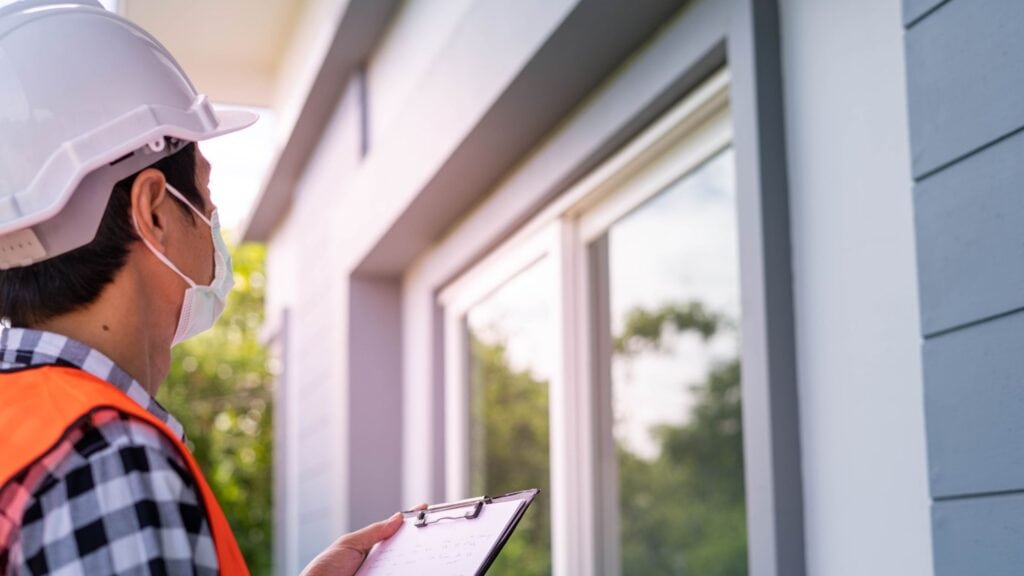
A property inspection is a thorough check from top to bottom—roof, walls, plumbing, electrical, and foundation of the house.
It’s not just a quick walk-through. A property inspection helps buyers know what they’re really getting, and gives sellers a heads-up on what might need fixing.
So whether you’re about to sign on the dotted line or get your home ready to sell, an inspection is basically your behind-the-scenes look at the true condition of the property.
Why Property Inspections Matter
Nobody wants to move into their dream home only to discover that the roof leaks every time it rains or the wiring sparks like it’s auditioning for a fireworks show.
That’s why property due diligence is so important.
When you get a solid inspection done, you:
- Avoid costly surprises down the road
- Get ahead of problems before they become disasters
- Have more power when it comes to negotiating prices
- Know if the place meets local safety codes and building compliance rules
In short, a little effort now can save you a lot of money later.
What Do Property Inspectors Look At?
Property Inspectors use a detailed property inspection checklist to make sure nothing gets missed.
Here are some of the big-ticket items they’ll be checking:
- Roof condition (age, leaks, loose tiles)
- Structural integrity (cracks, leaning walls, foundation issues
- Electrical panel and wiring
- Plumbing systems (leaks, water pressure, old pipes)
- HVAC systems (heating, ventilation, air conditioning
- Signs of water damage or mould
- Smoke detectors, handrails, and trip hazards
Some inspectors also offer add-ons like mold inspections, radon testing, and energy efficiency inspections—especially if you’re looking at an older home.
The Property Inspection Process: Step-by-Step
Here’s what the process usually looks like:
- Find a qualified local inspector with strong reviews.
- Book the inspection—it usually takes 2 to 4 hours.
- Attend the inspection, if you can. It’s super insightful.
- Review the property inspection report (don’t worry, they’re usually very visual).
- Make decisions about next steps: repairs, negotiations, or maybe walking away.
Whether it’s a new construction inspection or an old home inspection, your inspector will be looking for any hidden issues—big or small.
Insider Tips Most People Don’t Know
Here’s the stuff you won’t always hear upfront:
- Certified property inspectors tend to find more issues.
- You can take short property inspection courses online to learn what to look for.
- Use digital checklists on your phone during the inspection. Super handy!
- Ask to see a sample inspection report before booking—so you know what to expect.
Inspectors today use fancy gear like thermal cameras, moisture meters, and even drones to check roofs safely. Some use apps to send same-day reports with images and recommendations.
Final Thoughts
A property inspection isn’t just another item on your to-do list—it’s a vital step in protecting your investment, sanity, and wallet.
Whether it’s your first home or your fifth commercial building, getting a professional inspection is one of the smartest moves you can make. It helps you see beyond the fresh paint and staged furniture—and shows you what’s really going on behind the scenes.