
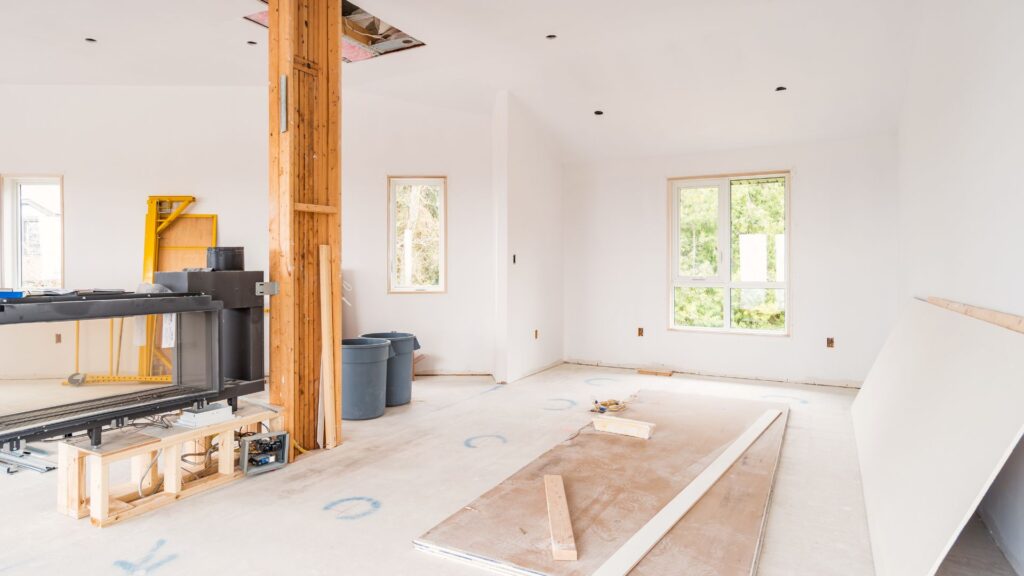
Building and renovating your home is an exciting chapter, but it can still feel overwhelming if you’re starting from zero or just improving an existing property. There are issues like construction defects, unclear contracts and miscommunication. However, with the right planning, the right team, and a few smart steps, you can avoid some of the common mistakes and enjoy the experience from start to finish.
7 Tips to Avoid Building Defects
Understand Your Rights Before Work Begins
In Australia, your rights as a homeowner are protected under building warranty laws. These cover structural issues, defective work, and non-compliance for several years after the job is complete. The length and details of coverage depend on your state and the type of work being done.
If you’re investing in building and renovating, don’t forget to check if your builder is licensed or insured. Don’t forget to check your contracts’ timeframes, payment terms, inclusions and dispute processes.
Learn the Difference Between Major and Minor Defects
Not all issues are the same; that’s why it’s important to understand what a major issue is and what is not. For example, major defects include the things that affect your home’s safety, structure, or weatherproofing, like cracks in foundations, leaking rooms, or plumbing issues.
On the other hand, minor defects are more cosmetic, like chipped tiles or paint spots. If you spot issues like this, don’t turn a blind eye and get it fixed immediately.
Put Everything in Writing
In any building or renovating project, verbal promises just don’t cut it. If your builder says, “Don’t worry, we’ll sort that out,” ask them to put it in writing. If it’s not on paper, it’s not guaranteed.
Make sure every detail is included in your contract, like materials, finishes, brands, and timeline milestones. This avoids confusion later and ensures both you and your builder are on the same page. It’s also your best defence if the finished product doesn’t match your expectations.
Choose the Right Builder, Not Just the Cheapest
Your builder will shape your entire experience, so choose carefully. Look for someone with a strong reputation, valid licensing, and happy former clients. Ask to view previous projects, and don’t hesitate to speak to past customers.
Also, ask what’s included in your contract and what isn’t. It should detail materials, site preparation, clean-up, finishes, and optional upgrades. If it’s too vague or full of assumptions, you’re at risk of surprise costs later on.
Be Involved During Construction
Even if you trust your builder, staying involved throughout the build is essential. Visit the site regularly, take photos, and ask questions. If something looks different from your plan, raise it early before it’s too late to change.
Being present helps catch mistakes before they snowball into major issues. It also shows the team you’re paying attention, which can encourage better workmanship. In building or renovating, an active homeowner is often a successful one.
Hire an Independent Inspector
Building inspectors aren’t just for handover day. Hiring one at key stages like framing, waterproofing, and final inspection can save you time and stress. They’ll check the work complies with building codes and flag anything that doesn’t meet standards.
Inspectors give you an unbiased opinion. If there are disputes later, their reports can help back your case. For peace of mind, especially in larger projects, this small investment can be worth every cent.
Expect Delays and Surprises—Plan Ahead
While renovating, you may experience some unexpected issues such as weather, material shortages, or council delays. That’s why it’s smart to leave to adjust your schedule and budget.
For instance, you can set aside 10-15% of your total budget for problems. Don’t also rush your move in, instead, be flexible with deadlines. And remember, having backup plans makes the journey smoother and less stressful.
A Smooth Building Experience Starts With Preparation
Building and renovating is an incredibly rewarding experience, especially if you do it with the right mindset. Preparation, clear communication, and the right team are what make your journey different.
That’s why, by understanding your rights, asking the right questions, and staying engaged, you will minimise your stress and avoid any major problems. Most importantly, you will end up with a space that you’ll love.
To learn more, contact Finance Hub & Networks at 0480 03 03 03 or email us at info@finhub.net.au.