
Sydney and Melbourne Property Prices Cooling — What It Means for Homebuyers in 2026
Australia’s property market is entering a new phase. While national dwelling values rose 2.1% over the first quarter of 2026, the story beneath the headline is one of sharp divergence — and understanding it could make a real difference to your home-buying or refinancing strategy.
According to the latest Cotality Home Value Index data, Sydney and Melbourne home values have started to edge lower, while Perth, Brisbane, and Adelaide continue to surge. For borrowers across the country, this shifting landscape brings both opportunities and challenges worth understanding.
What’s Happening in Sydney and Melbourne?
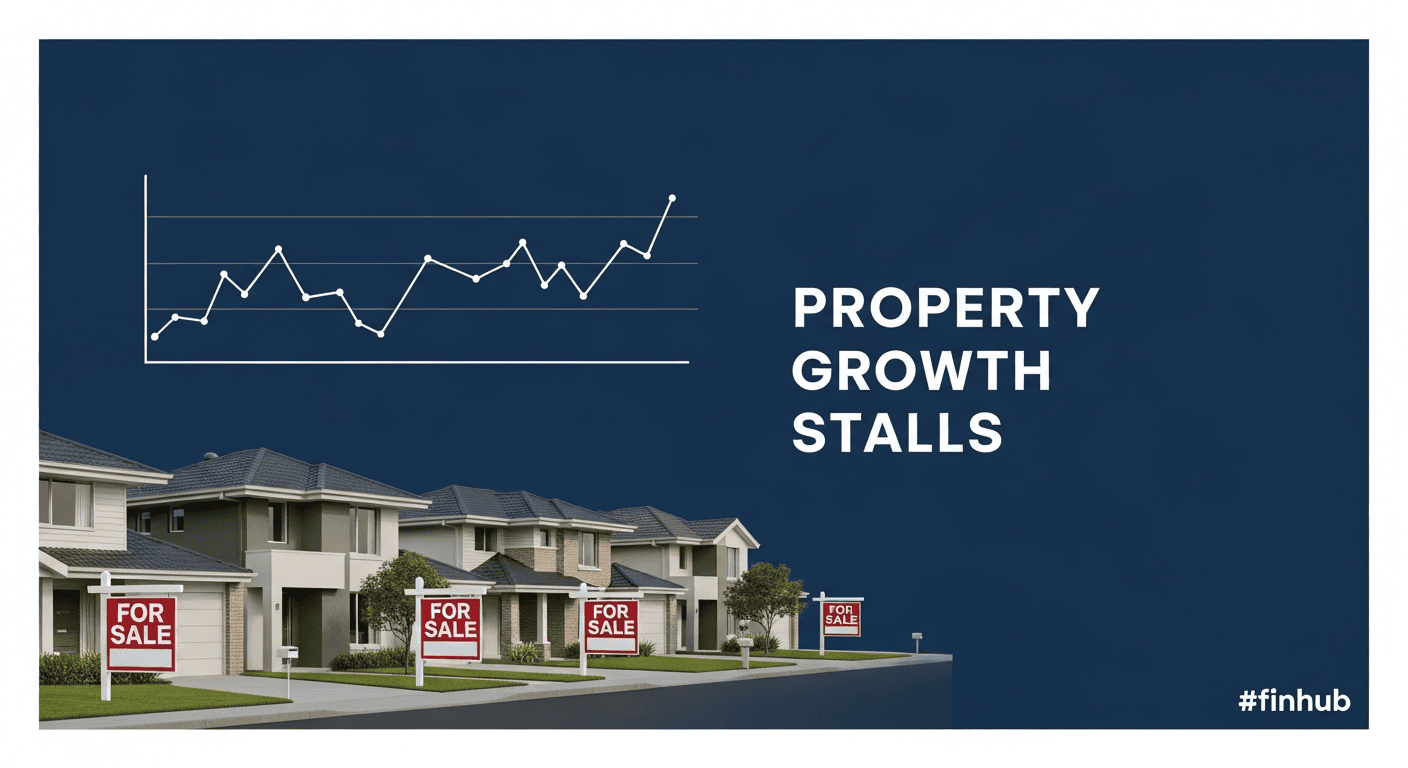
Since late November 2025, Melbourne dwelling values have retreated by 0.9% and Sydney values have dipped 0.4%. Cotality research director Tim Lawless attributes the softening to lower auction clearance rates and a growing volume of stock on market.
Westpac economist Luka Belobrajdic noted that the changed interest rate outlook is “weighing most heavily on Sydney and Melbourne, where price growth has softened further.” With the RBA having lifted the cash rate twice in early 2026 to 4.1% — and markets pricing in further increases — serviceability pressures are mounting for buyers in Australia’s two largest cities.
It’s important to note that while prices have softened, Sydney and Melbourne remain among the most expensive property markets in the country. A softening trend does not necessarily signal a downturn, and conditions can shift depending on economic developments, policy changes, and local supply dynamics.
Mid-Sized Capitals Are Powering Ahead
In contrast, Perth home values jumped 2.5% in March alone — and 7.3% over the quarter. In dollar terms, that quarterly gain added approximately $69,000 to Perth’s median dwelling value. Advertised listings in Perth remain about 40% below the five-year average, keeping competition fierce among buyers.
Brisbane and Adelaide also posted strong monthly gains of 1.8% and 1.2% respectively, with annual growth running in double digits. Regional markets, particularly in Western Australia and Queensland, are also holding up well, supported by tight supply and continued population growth.
Lower-Priced Properties Outperforming Premium Stock
One notable trend across most capitals is that more affordable properties are outperforming prestige stock. In Sydney, lower quartile values rose 1.8% over the March quarter while upper quartile values fell 1.8%.
Lawless explained that “strength across the lower quartile value tier is tied to increased competition for lower priced housing,” as serviceability constraints push buyers down the price ladder and into more modest dwellings. For brokers, this means more clients are targeting smaller loans, higher-density properties, or fringe locations to make repayments manageable under tighter assessment rates.
What Does This Mean for Borrowers?
Whether you’re a first home buyer, looking to refinance, or considering an investment property, the diverging market conditions create different considerations depending on your location and goals:
- First home buyers in Sydney and Melbourne may find slightly improved conditions as price growth eases, though higher interest rates have reduced borrowing capacity. Understanding your borrowing power under current serviceability buffers is an important first step.
- Buyers considering mid-sized capitals should be aware that rapid price growth in Perth, Brisbane, and Adelaide may present both opportunity and risk. Strong markets can shift, and it’s important to factor in your long-term financial position.
- Existing mortgage holders facing higher repayments after recent rate rises may benefit from reviewing their current loan structure. With over 640,000 Australians refinancing in 2025, exploring whether your current loan still suits your needs is a practical step.
Keep in mind that every borrower’s situation is different. Interest rate movements, property values, and lending criteria can all change, and what works for one person may not suit another.
How a Mortgage Broker Can Help You Navigate This Market
In a market with diverging trends and shifting interest rates, working with a mortgage broker can help you understand your options across 35+ lenders. A broker can compare loan products, assess your borrowing capacity, and help you find a loan structure that aligns with your financial goals — whether you’re buying your first home, upgrading, or refinancing.
Finance Hub & Networks (FinHub) is a licensed mortgage brokerage with access to 35+ lenders, over $600 million in settled loans, and 350+ five-star Google reviews. Our award-finalist team can help you explore your options with a no-obligation consultation.
Frequently Asked Questions
Are Sydney house prices falling in 2026?
Sydney dwelling values have dipped 0.4% since late November 2025, according to Cotality data. While this represents a softening from the strong growth seen in prior years, it does not necessarily indicate a sustained downturn. Conditions vary by suburb and property type, and the broader market remains influenced by interest rate movements, supply levels, and economic factors.
Which Australian cities have the strongest property growth right now?
As of March 2026, Perth leads with 7.3% quarterly growth, followed by Brisbane (1.8% monthly) and Adelaide (1.2% monthly). These mid-sized capitals are benefiting from tight supply and continued population growth, though rapid price increases also carry risks if market conditions change.
How do interest rate rises affect my borrowing capacity?
Each 0.25 percentage point rise in the cash rate can reduce maximum borrowing capacity by approximately $12,000 for a single average-income borrower and $24,000 for a dual-income couple, according to Canstar estimates. Your actual borrowing capacity depends on your individual income, expenses, existing debts, and the lender’s assessment criteria.
Should I refinance my home loan in the current market?
Whether refinancing makes sense depends on your individual circumstances, including your current interest rate, loan balance, remaining term, and any break costs involved. Over 640,000 Australians refinanced in 2025, but it’s important to weigh the potential benefits against any fees or changes to loan terms. Speaking with a mortgage broker can help you assess whether refinancing could work for your situation.
How can a mortgage broker help in a shifting property market?
A mortgage broker compares loan products across multiple lenders to help find options that suit your financial situation. In a market where conditions vary significantly between cities and property types, a broker can provide insights into current lending criteria, help you understand your borrowing capacity, and guide you through the application process. Finance Hub & Networks (FinHub) has access to 35+ lenders and has settled over $600 million in loans across Australia.
Take the Next Step
If you’d like to understand how the current property market and interest rate environment may affect your home loan options, contact Daniel Nguyen at FinHub for a no-obligation consultation.
📞 0480 03 03 03 | 📱 0430 11 11 88
📧 daniel@finhub.net.au | 🌐 finhub.net.au
Finance Hub & Networks Pty Ltd — Australian Credit Licence 573164.
Your full financial situation would need to be reviewed prior to acceptance of any offer or product.
#finhub #mortgagebroker #sydneyproperty #melbourneproperty #perthproperty #australianproperty #homeloan #refinancing #firsthomebuyer #propertymarket2026 #interestrates #brisbaneproperty