๐Ÿ† Finance Hub โ€” โญ 353+ Five-Star Reviews | ๐Ÿฆ 30+ Lender Panel | ๐Ÿ… Award-Finalist Brokers
๐Ÿก Home Upgrade Specialists

Ready to Upgrade Your Home? Plan It Right

Upgrading is exciting but needs careful planning. We help you understand your options, costs, and find the best finance solution โ€” so you can move into your dream home with confidence, not stress.

30+ Lender Panel
4.9โ˜… Google Rating
$600M+ Settled
Happy family upgrading to their dream home

Sound Familiar?

If any of these thoughts keep you up at night, you're not alone โ€” and we can help.

๐Ÿ‘จโ€๐Ÿ‘ฉโ€๐Ÿ‘งโ€๐Ÿ‘ฆ

Outgrowing Your Home

Your family has outgrown your current home but you're not sure if you can afford to upgrade. The kids need their own rooms, you need a bigger yard, or you've simply outgrown the space โ€” but the numbers feel overwhelming.

๐Ÿ˜ฐ

Caught Between Two Mortgages

You're worried about being caught between two mortgages. The thought of paying for two properties simultaneously is terrifying โ€” what if your current home takes months to sell?

๐Ÿคท

Sell First or Buy First?

You don't know whether to sell first or buy first. Both options have risks, and without expert guidance, it feels like you're making a blind decision with hundreds of thousands of dollars at stake.

๐Ÿƒ

Missing Your Dream Home

You're afraid of missing your dream home while waiting for your current home to sell. In a competitive market, the perfect property won't wait around โ€” and the fear of losing it is paralysing.

๐Ÿ’ธ

Hidden Costs Blowing Your Budget

Hidden costs of upgrading โ€” stamp duty, agent fees, legal costs โ€” could blow your budget. Most people underestimate the total transaction costs involved in selling one home and buying another.

$50,000 โ€“ $80,000

The average Australian homeowner upgrading their property faces this much in transaction costs alone.

Planning the right strategy can save you tens of thousands of dollars. That's where we come in.

Step 1: Know What You Want & What It Costs

Before diving into finance options, let's start with the most important question: What does your dream home look like?

๐Ÿก

Define Your Dream Home

What type of property do you want? A larger house, a townhouse in a better suburb, something with a bigger backyard? What's the location โ€” closer to schools, work, or the beach? And roughly, what does a property like that cost in today's market?

๐ŸŽฏ

Don't Worry About Affordability Yet

Many people talk themselves out of upgrading before they've even spoken to a professional. Don't assume you can't afford it โ€” that's what your mortgage broker is for. We crunch the numbers so you don't have to guess.

๐Ÿ—บ๏ธ

Map Your Options

Once you know your goal, a mortgage broker (or bank lender) can map out which options are available to you. We'll look at your equity, income, and financial position to determine the best pathway to your new home.

Your Home Upgrade Journey

๐Ÿ 
Current Home
โ†’
๐Ÿค”
Your Options
โ†’
๐Ÿก
Dream Home

There are 2 main pathways to upgrade your home. Let's explore both so you can make an informed decision.

Option 1: Sell First, Buy Later

The safer, more conservative approach โ€” know your numbers before committing.

๐Ÿ“‹ How It Works

  • Sell your current property first and complete settlement
  • Use the sale proceeds (minus your existing mortgage and selling costs) as the deposit for your new property
  • You only borrow the DIFFERENCE between the new purchase price and your net sale proceeds
  • This means a smaller loan, less interest, and simpler finance approval

โœ… Benefits

  • โœ“ Financially safer โ€” you know exactly how much money you have
  • โœ“ No pressure from banks to sell quickly
  • โœ“ Only borrowing the gap (smaller loan = less interest)
  • โœ“ No risk of holding two mortgages simultaneously
  • โœ“ Clean, simple finance approval process

โŒ Downsides

  • โœ— May need to move TWICE (into temporary rental, then into new home)
  • โœ— If the market is rising, your dream home could cost more by the time you buy
  • โœ— Risk of not finding your ideal property after selling
  • โœ— Emotional stress of not having a home lined up

Option 2: Buy First, Sell Later

Secure your dream home before someone else does โ€” but it comes with higher financial risk.

๐Ÿ“‹ How It Works

  • Purchase your new property before selling your current one
  • Requires borrowing the FULL purchase price for the new property (because your existing property hasn't sold yet)
  • Two sub-options for financing this approach:

Finance Sub-Option A: Full Serviceability

You demonstrate to the bank you can service BOTH the new loan AND your existing mortgage simultaneously. The bank assesses your income against total debt obligations. This works best for high-income borrowers or those with a small existing mortgage balance.

๐Ÿ’ก Best for: High-income households with manageable existing debt.

Finance Sub-Option B: Bridging Loan

A specialist short-term loan that covers both properties during the transition period. Bridging loans typically have 6-12 month terms and allow you to buy before selling, with the expectation that your existing property will sell within that timeframe.

Learn more about bridging loans โ†’

โœ… Benefits

  • โœ“ Secure your dream home before someone else does
  • โœ“ Only move once โ€” directly from old home to new home
  • โœ“ No rushed decisions about which property to buy
  • โœ“ Can take time to prepare current home for sale to maximise price

โŒ Downsides

  • โœ— Higher financial risk โ€” carrying two loans temporarily
  • โœ— If your home doesn't sell for expected price, you could face a shortfall
  • โœ— Paying interest on the full loan amount during the overlap period
  • โœ— More complex finance approval process
Family moving into their new upgraded home

๐Ÿงฎ Upgrade Home Cost Calculator

See the real numbers โ€” compare selling costs, buying costs, and your mortgage options side by side.

๐Ÿ  Section A: Selling Costs
$800,000
$400,000

๐Ÿก Section B: Buying Costs
$1,200,000
$0

๐Ÿฆ Section C: Loan Comparison

๐Ÿ’ฐ Total Selling Costs

๐Ÿก Total Buying Costs

๐Ÿ“Š Your Net Equity from Sale

๐Ÿ“ˆ Loan Comparison: Sell First vs Buy First

Option 1: Sell First

Option 2: Buy First

๐Ÿ’ก Key Takeaway

Ready to Explore Your Upgrade Options?

Our brokers can analyse your exact situation and find the best strategy โ€” whether you sell first, buy first, or use a bridging loan.

Speak to a Broker โ†’

Get Your Free Home Upgrade Assessment

Tell us about your situation and we'll map out the best strategy for upgrading your home. No cost. No obligation. Just expert advice.

  • โœ… 100% free โ€” no cost, no obligation
  • โœ… Access to 30+ lenders
  • โœ… Personalised upgrade strategy
  • โœ… Sell first vs buy first analysis
  • โœ… Bridging loan options assessed
  • โœ… Full cost breakdown provided
  • โœ… Expert guidance from experienced brokers
  • โœ… 353+ Five-Star Google Reviews
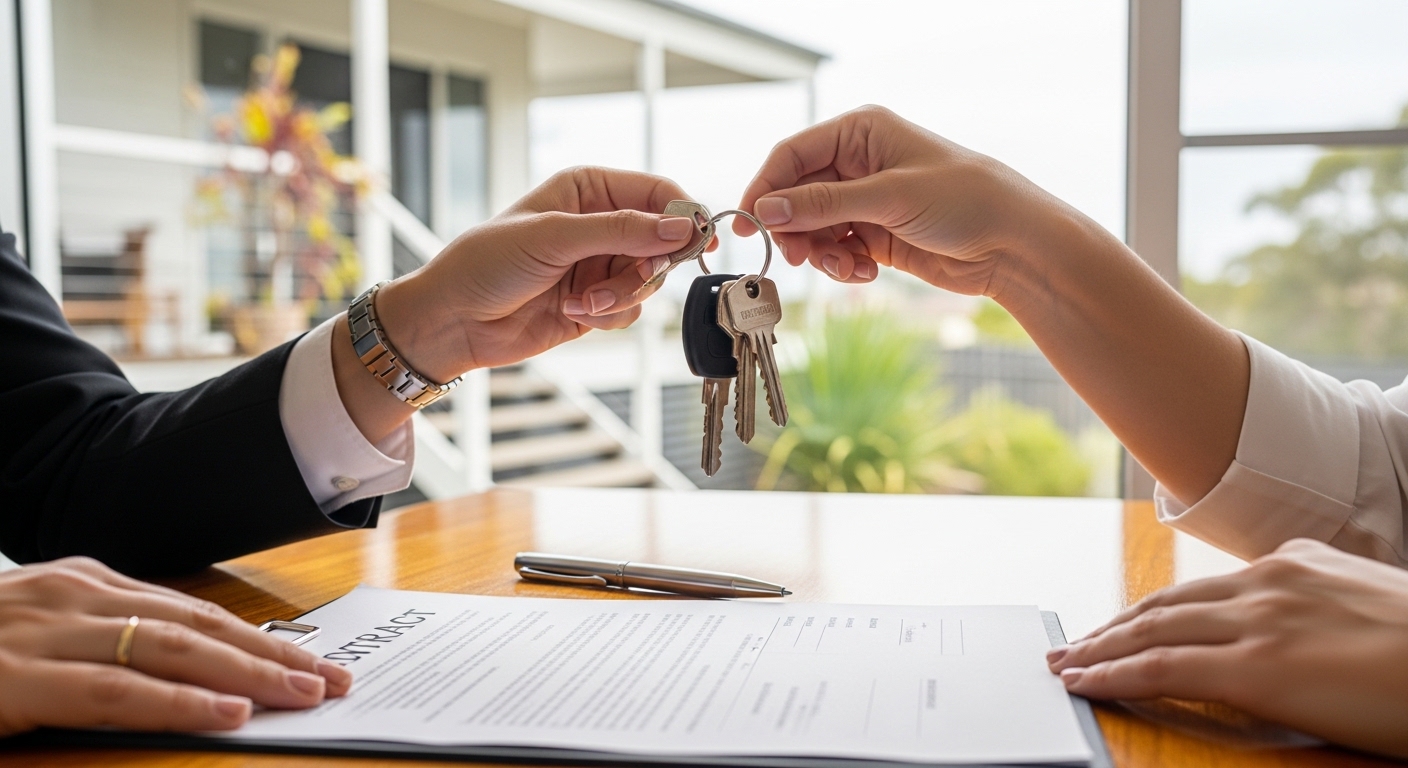
New home keys

Get Started โ€” It's Free

๐ŸŽ‰

Thank You!

Your free home upgrade assessment request has been received. One of our specialist brokers will be in touch within 24 hours to discuss your options.

In the meantime, feel free to call us on 0480 03 03 03.

Smart Strategies to Reduce Your Risk

Whichever option you choose, here are proven ways to protect yourself and save money.

๐ŸŸข If You Choose: Sell First, Buy Later

1

Simultaneous Buy & Sell Strategy

Put your house on the market at the same time you start looking for your dream property. The key timing trick: make sure you collect the 10% deposit from YOUR buyer before you pay the 10% deposit on the property you want to buy. This way, you're buying and selling almost simultaneously โ€” minimising the gap between transactions and reducing the chance you'll need temporary accommodation.

2

Request Extended Settlement

Negotiate a longer-than-normal settlement period (e.g., 90-120 days instead of the standard 42 days). This gives you more time to find and secure your next property before you have to move out. Many buyers โ€” especially investors โ€” are happy to agree to extended settlements, so don't be afraid to ask. Your solicitor can include this condition in the contract.

3

Rent-Back Arrangement

Offer to rent your property from the new buyer after settlement. This means you don't have to move out immediately and can stay in your home while you finalise the purchase of your new property. Many buyers are happy to have a guaranteed tenant from day one โ€” it provides them with immediate rental income and saves them the hassle of finding a tenant.

๐Ÿ”ต If You Choose: Buy First, Sell Later

1

Prepare for Sale IMMEDIATELY After Buying

The moment you secure your new property, hit the ground running with selling your current home. Have your real estate agent, solicitor, and contract of sale ready to go. Don't wait โ€” start the selling process on day one. Every week your property sits unsold is another week of double mortgage repayments, so time is literally money.

2

Choose Your Real Estate Agent Wisely

Selecting the right agent is CRITICAL. You need someone who will genuinely work to achieve the highest possible price for your property, not just a quick sale. Do your research โ€” interview multiple agents, check their recent sales history in your area, and ask for their marketing strategy.

How to choose a real estate agent โ†’

Remember: The difference between a good agent and a great agent could be tens of thousands of dollars on your sale price.

Couple planning their home upgrade strategy

Upgrading Your Home is Exciting โ€” But Plan Carefully

Upgrading to a new home is one of the most exciting decisions you'll make. But without careful planning, it can also be one of the most expensive. Transaction costs, stamp duty, agent fees, carrying costs โ€” they all add up fast.

The difference between a well-planned upgrade and a poorly planned one can be $50,000 or more. That's why speaking to a mortgage broker BEFORE you make any decisions is so important. We'll map out your options, crunch the numbers, and help you choose the strategy that saves you the most money.

Whether you sell first or buy first, we're here to make sure you upgrade with confidence โ€” not stress.

Ready to Plan Your Upgrade? Let's Talk โ†’

๐Ÿ“… Book a Free Strategy Session

Prefer to schedule a specific time? Book directly into our calendar.

Frequently Asked Questions

Everything you need to know about upgrading your home, explained simply.

Should I sell my home before buying a new one? โ–ผ
It depends on your financial situation and risk tolerance. Selling first is financially safer because you know exactly how much equity you have available, and you only need to borrow the difference between your new purchase price and your net sale proceeds. However, selling first means you may need to rent temporarily and risk the market rising before you buy. A mortgage broker can help you assess which strategy works best for your specific circumstances โ€” there's no one-size-fits-all answer.
What is a bridging loan and do I need one? โ–ผ
A bridging loan is a short-term loan (typically 6-12 months) that allows you to purchase a new property before selling your existing one. The loan covers the full purchase price of the new property, and once your existing home sells, the proceeds pay down the bridging loan. You need a bridging loan if you want to buy first but cannot demonstrate serviceability for both mortgages simultaneously. Bridging loans generally have higher interest rates than standard home loans due to the short-term nature and increased risk. Learn more about bridging loans โ†’
How much does it cost to upgrade my home? โ–ผ
The total cost of upgrading includes selling costs (agent commission typically 1.5-3%, marketing $3,000-$10,000, conveyancing $1,200-$2,500), buying costs (stamp duty which varies by state and can be $20,000-$60,000+, conveyancing $1,500-$3,000, inspections $500-$1,000), and moving costs ($2,000-$5,000). The average Australian homeowner upgrading faces $50,000-$80,000 in transaction costs alone. Use our calculator above to estimate your specific costs based on your property values and state.
Can I borrow enough to buy before selling? โ–ผ
Yes, there are two main ways to finance buying before selling. First, if you have sufficient income, your lender may approve you for both your existing mortgage and the new loan simultaneously โ€” this is called full serviceability. Second, you can apply for a bridging loan which is specifically designed for this purpose. Your broker will assess your income, existing debts, and equity position to determine which option suits you best and how much you can borrow.
How long does a bridging loan last? โ–ผ
Bridging loans typically have terms of 6 to 12 months, though some lenders offer terms up to 24 months. During this period, you are expected to sell your existing property and use the proceeds to pay down the loan. If your property hasn't sold within the bridging period, you may need to extend the loan (at additional cost) or convert to a standard variable rate loan. It is critical to have a realistic selling timeline and price expectation before entering a bridging loan arrangement.
What happens if my home doesn't sell for the expected price? โ–ผ
If your home sells for less than expected, you may face a shortfall in your upgrade plan. This is one of the key risks of buying before selling. For example, if you expected $800,000 but only received $720,000, you would need to find an additional $80,000 or accept a smaller new property. To mitigate this risk, get multiple property valuations before committing to a purchase, set a realistic reserve price, and have a financial buffer. Your broker can help you stress-test different sale price scenarios.
Should I use the same solicitor for buying and selling? โ–ผ
Using the same solicitor (conveyancer) for both transactions can simplify the process and potentially reduce costs, as they will have a complete picture of both transactions and can coordinate settlement dates. However, in some cases there may be a conflict of interest, particularly if issues arise between the two contracts. Many homeowners use the same solicitor for convenience and cost savings, but discuss this with your legal professional to ensure it is appropriate for your specific situation.
How can a mortgage broker help with upgrading? โ–ผ
A mortgage broker provides invaluable support when upgrading by analysing your complete financial picture, comparing options across 30+ lenders, and recommending the best strategy for your situation. They can calculate whether you qualify for full serviceability (holding both mortgages), identify the best bridging loan options, negotiate competitive interest rates, and coordinate the timing of your transactions. Importantly, broker services are typically free to the borrower as they are paid by the lender.
What are the tax implications of selling my home? โ–ผ
If you are selling your principal place of residence (the home you live in), the sale is generally exempt from capital gains tax (CGT) under the main residence exemption. This means you do not pay tax on any profit from the sale. However, if the property was used as an investment at any point, or if you rented it out, a partial CGT exemption may apply. Additionally, there are no GST implications for selling a residential property you have lived in. Always consult a tax professional for advice specific to your circumstances.
How do I know if I can afford to upgrade? โ–ผ
To determine if you can afford to upgrade, start by calculating your current equity (property value minus mortgage balance), then subtract all selling costs (agent fees, marketing, conveyancing). The remaining amount is your net equity. Add any additional savings you have, and this gives you the total deposit available for your new property. A mortgage broker can then assess your borrowing capacity based on your income, expenses, and existing debts to determine the maximum purchase price you can afford. Use our calculator above to run your numbers.

๐Ÿ“‹ Explore More

Browse All Our Services

We offer 25+ home loan and finance solutions for every situation, profession, and lending challenge.

Browse All Services โ†’
Get Free Upgrade Assessment โ†’